


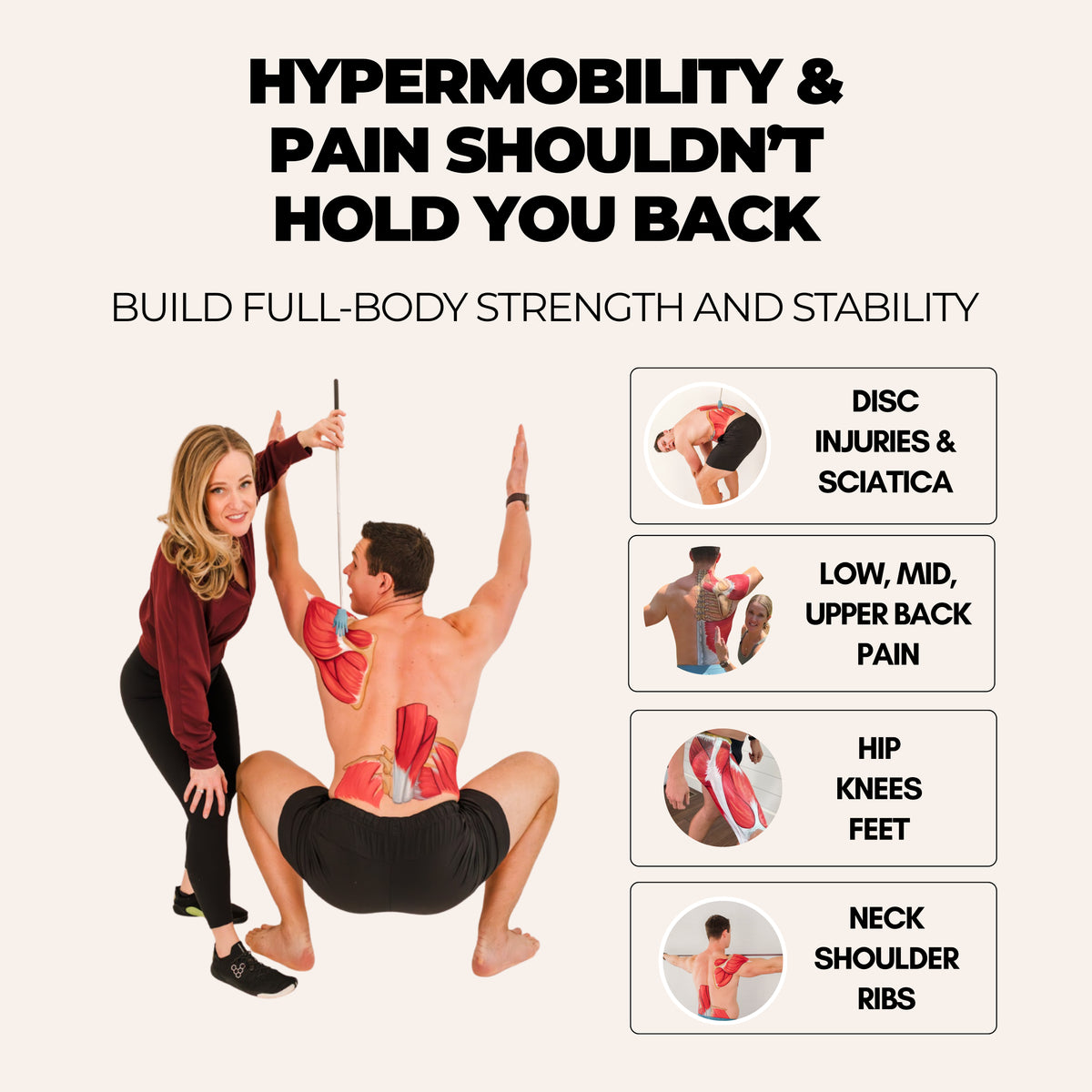
Disc injuries
- Herniations
- Bulges
- Degeneration
A step-by-step online program for people with hypermobility to reduce pain, build full-body strength, and move with more confidence.
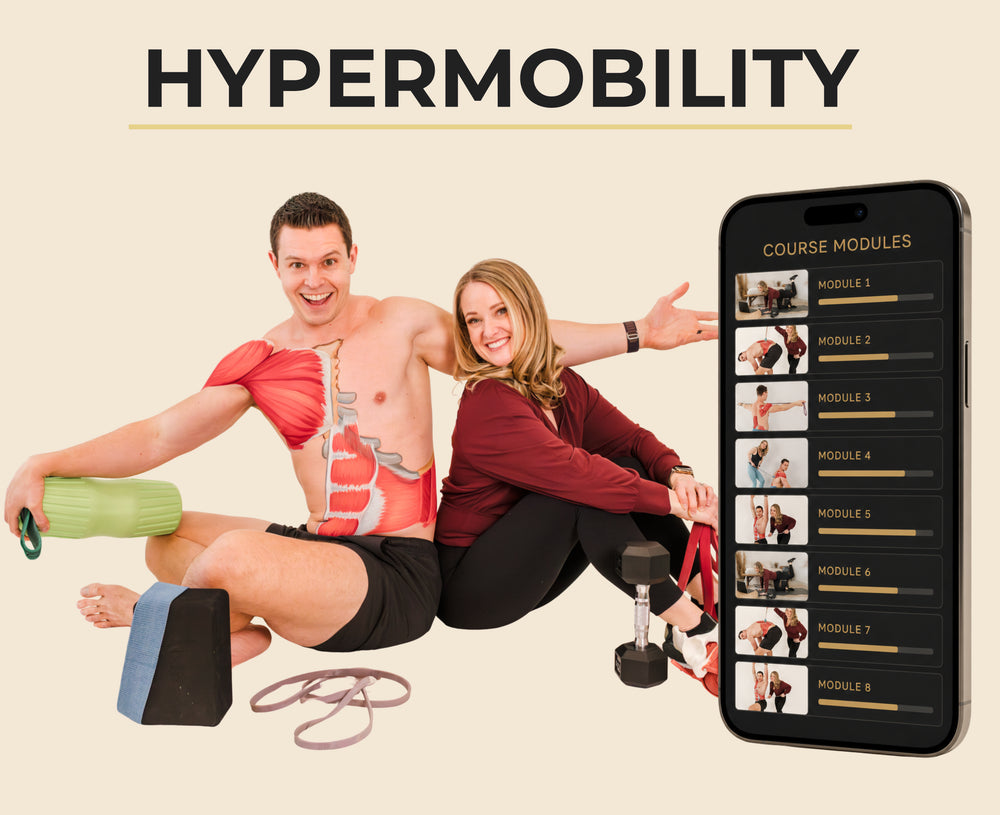
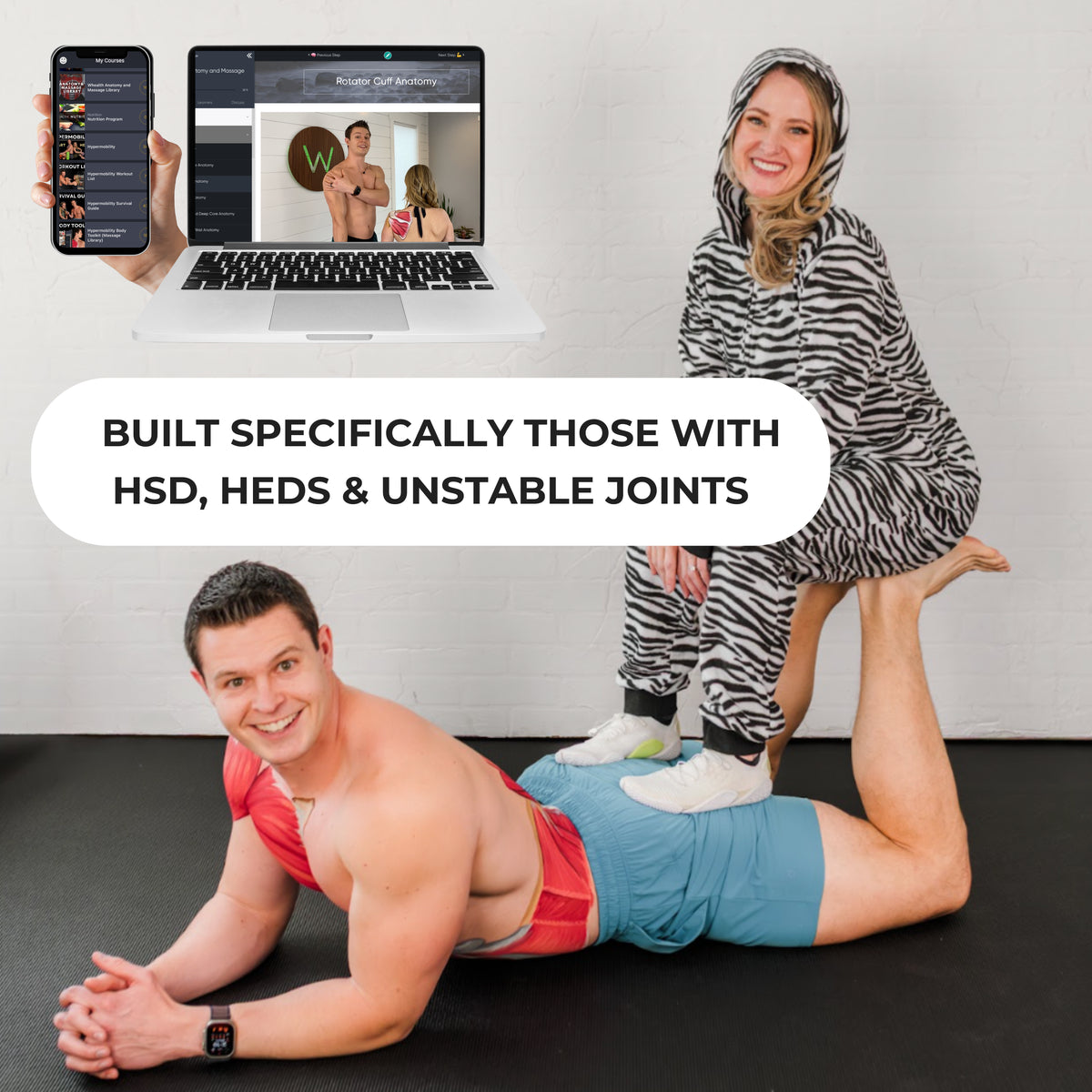

Choose Hypermobility when unusually mobile joints, instability, hEDS, or HSD change how you need to train.
Post questions or movement videos in the private Hypermobility community, or learn quietly by following along.
Hypermobility can exist alongside disc injuries, sciatica, back pain, and the other challenges that brought you here.






Including symptoms into the hip or leg

Including symptoms into the hip or leg

Pain that keeps limiting what you do

Pain that keeps limiting what you do
Members describe moving from pain and instability toward stronger, more capable movement.
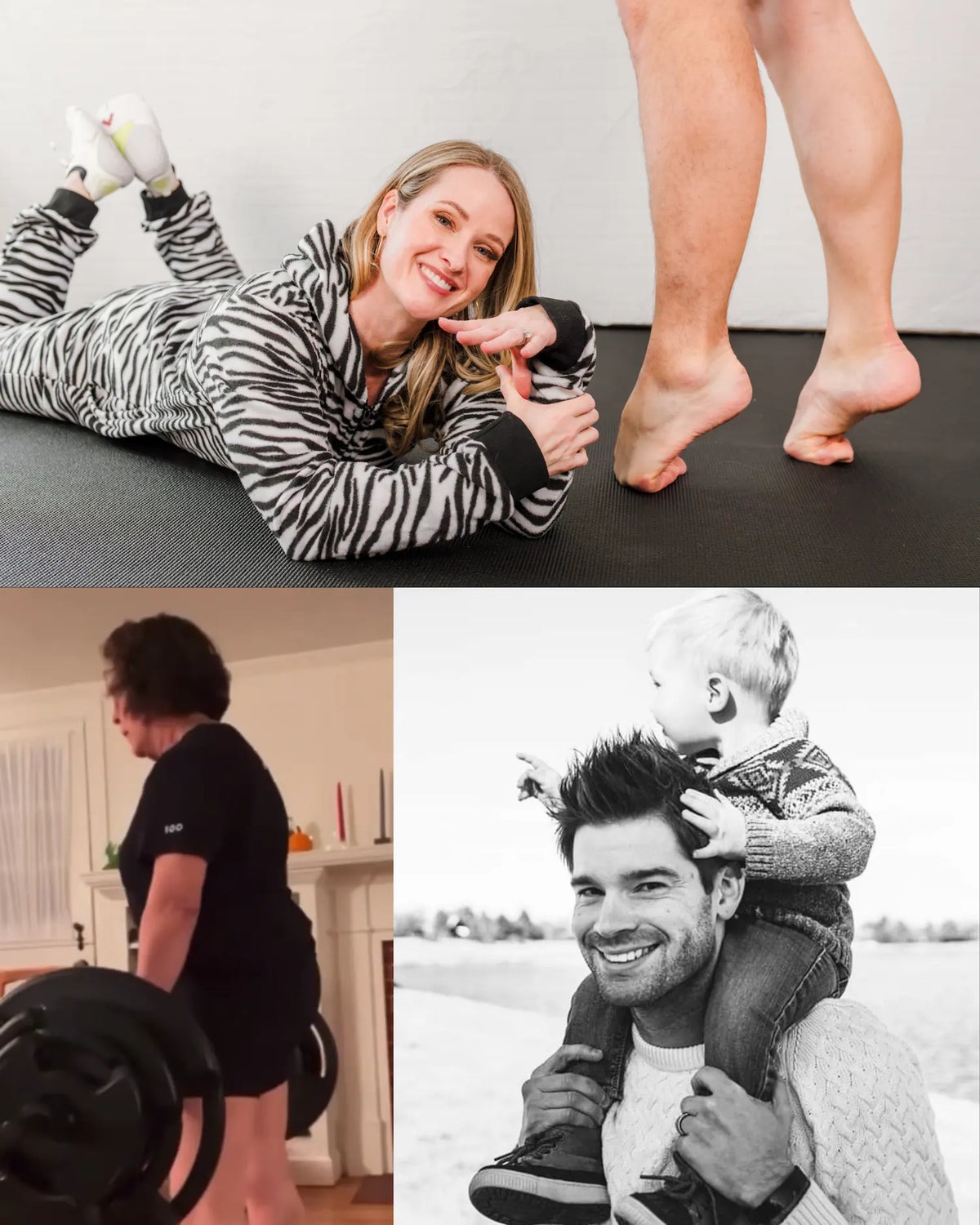
Learn to control your range, build full-body strength, and get back to more of your life without constantly fearing the next flare-up.
If you've been given basic exercises or told to just get stronger without being shown how, you're left putting in the work without a clear path forward. Hypermobility takes a whole-body approach to building strength at home, with a structured plan that shows you what comes next.
When one joint moves farther than you can control, nearby areas often work harder. Your feet affect your knees and hips. Your hips and rib cage affect your back, shoulders, core, and breathing. Learn how these pieces work together, how to perform and adjust each exercise, and how to progress beyond the basics without forcing more flexibility.
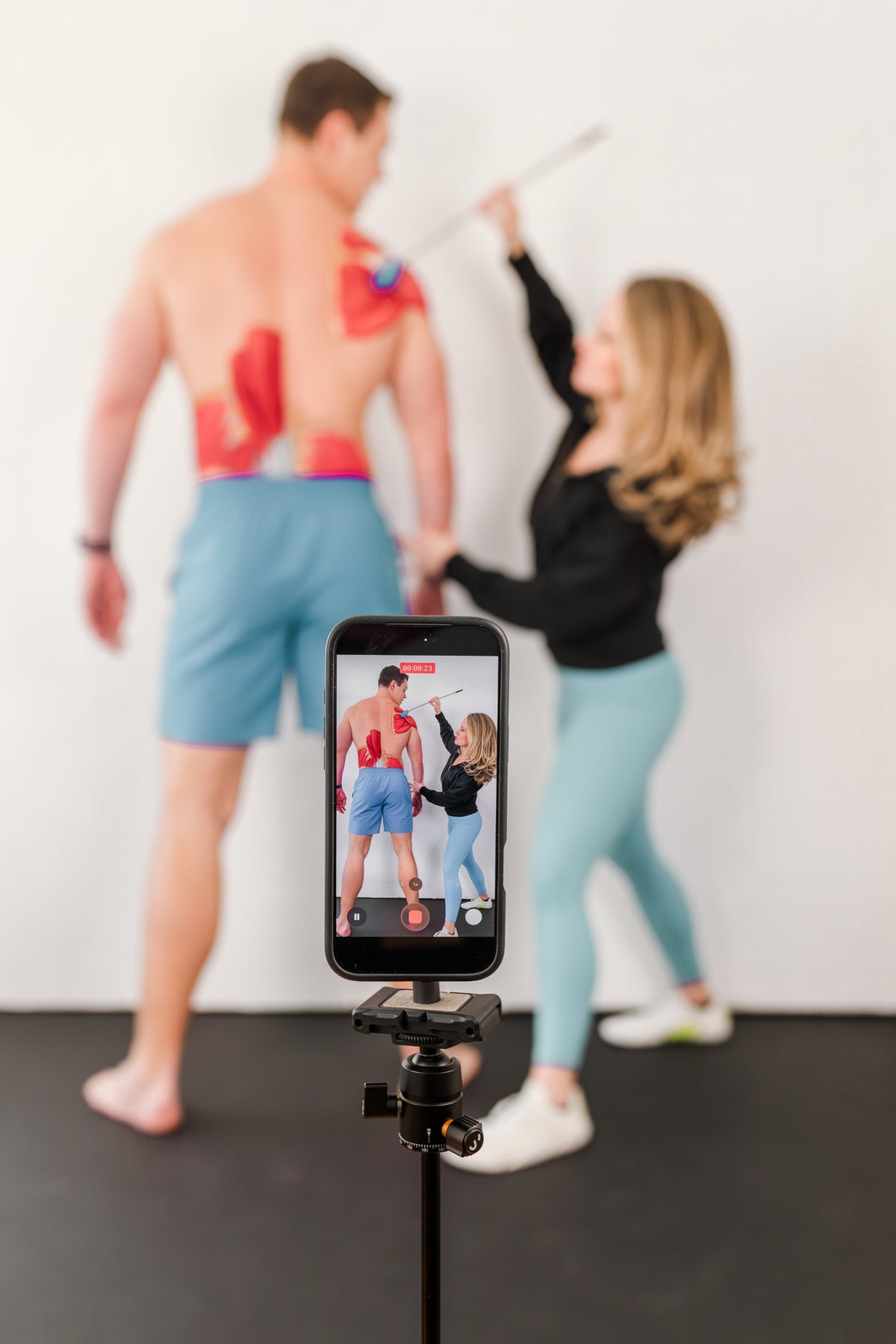
Use approachable isometrics to build awareness and control without rushing into large ranges of motion.
Connect the feet, hips, rib cage, breath, core, and shoulders, then add range and resistance.
Use the foundation in squats, hinges, pushes, pulls, training, and daily life.
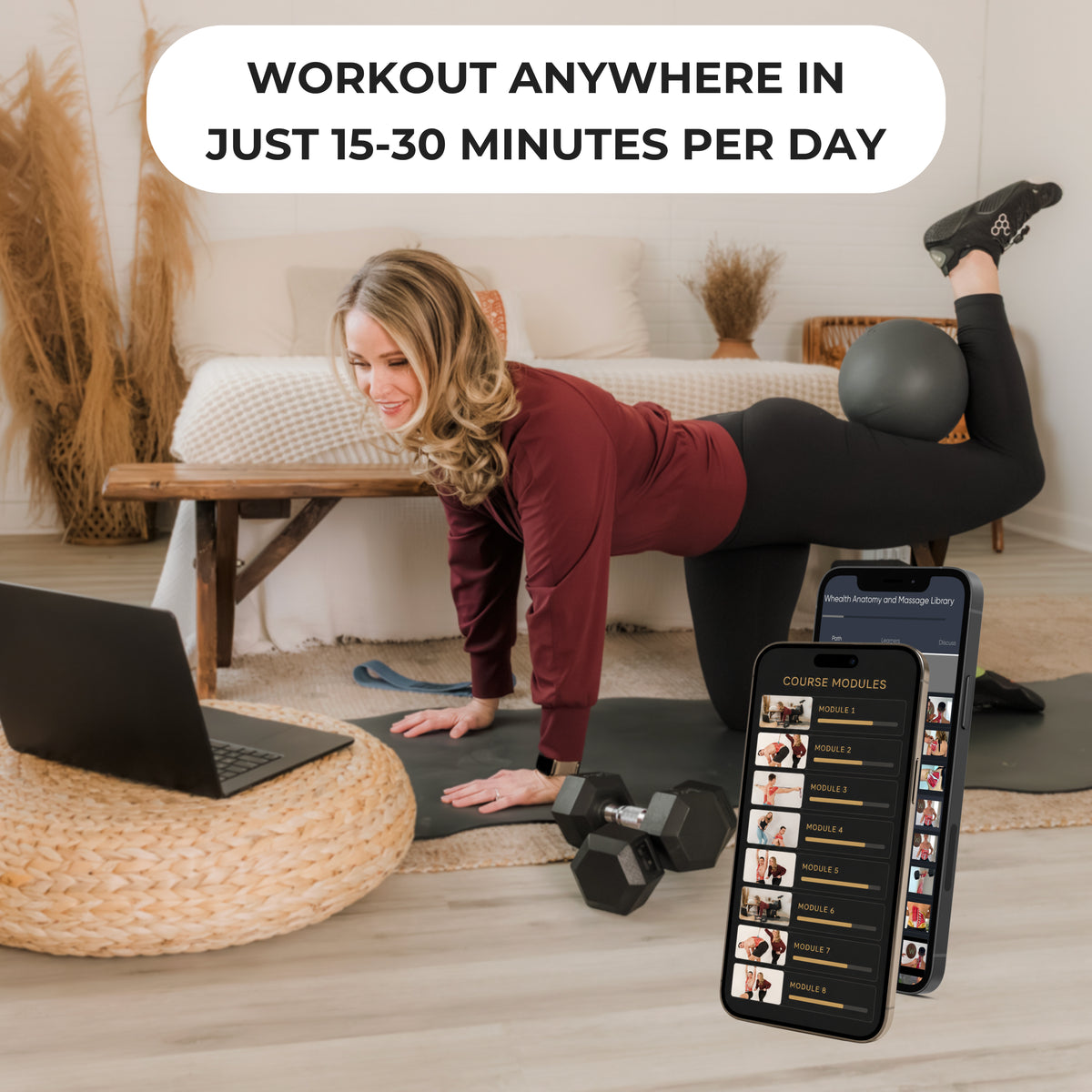
Know what to learn, what to practice, and what comes next, with guided workouts that take about 15 to 30 minutes each.
Complete the short introduction, then open Module 1.
Read the hypermobility-specific guidance, watch the videos, and practice alongside them.
Aim for one workout per day, or slow down and repeat sessions when your body needs more time.
Repeat the module for another week if helpful, or continue to Module 2.
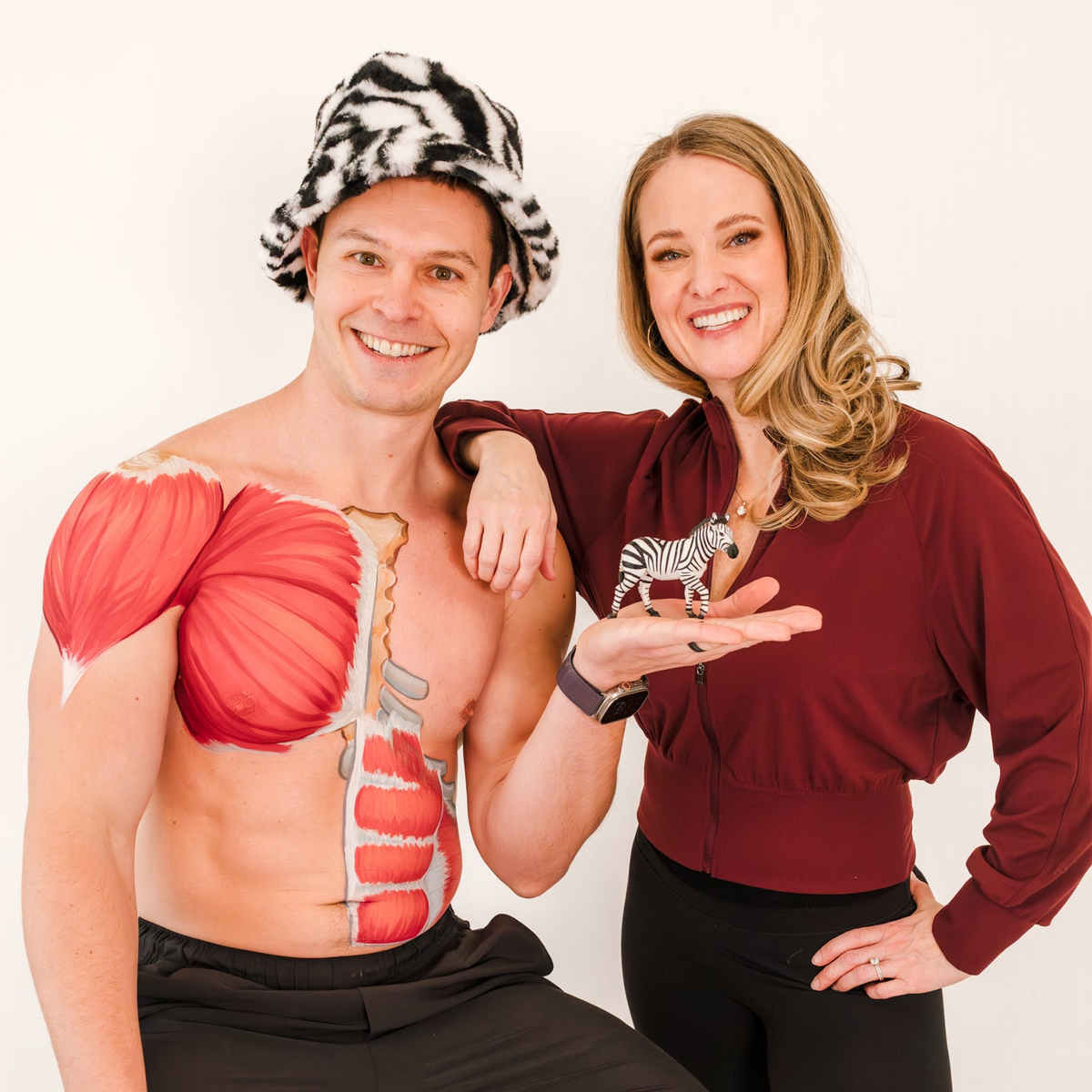
Built by hypermobile people, for hypermobile people, with lived experience of the pain, instability, and frustration of hEDS.
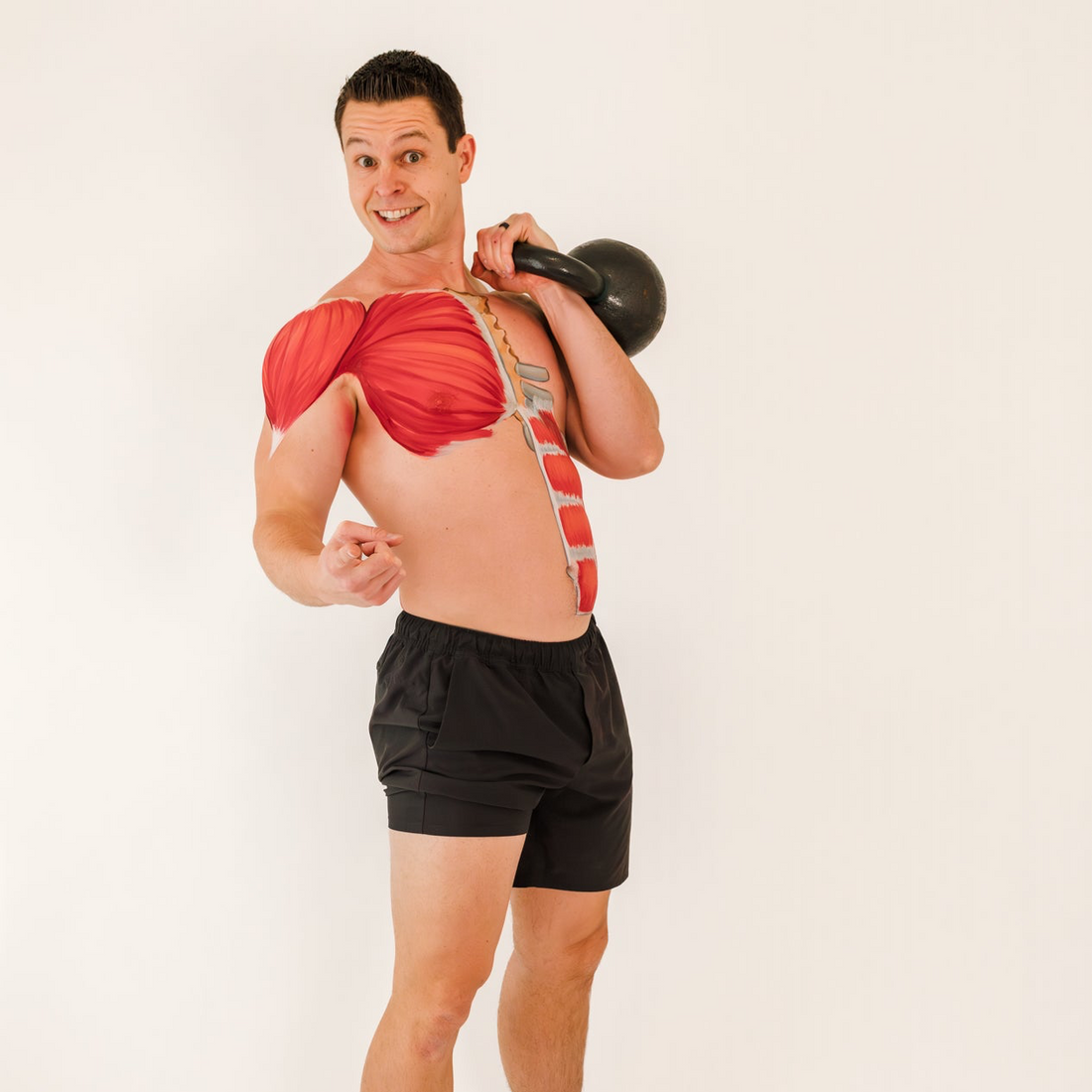
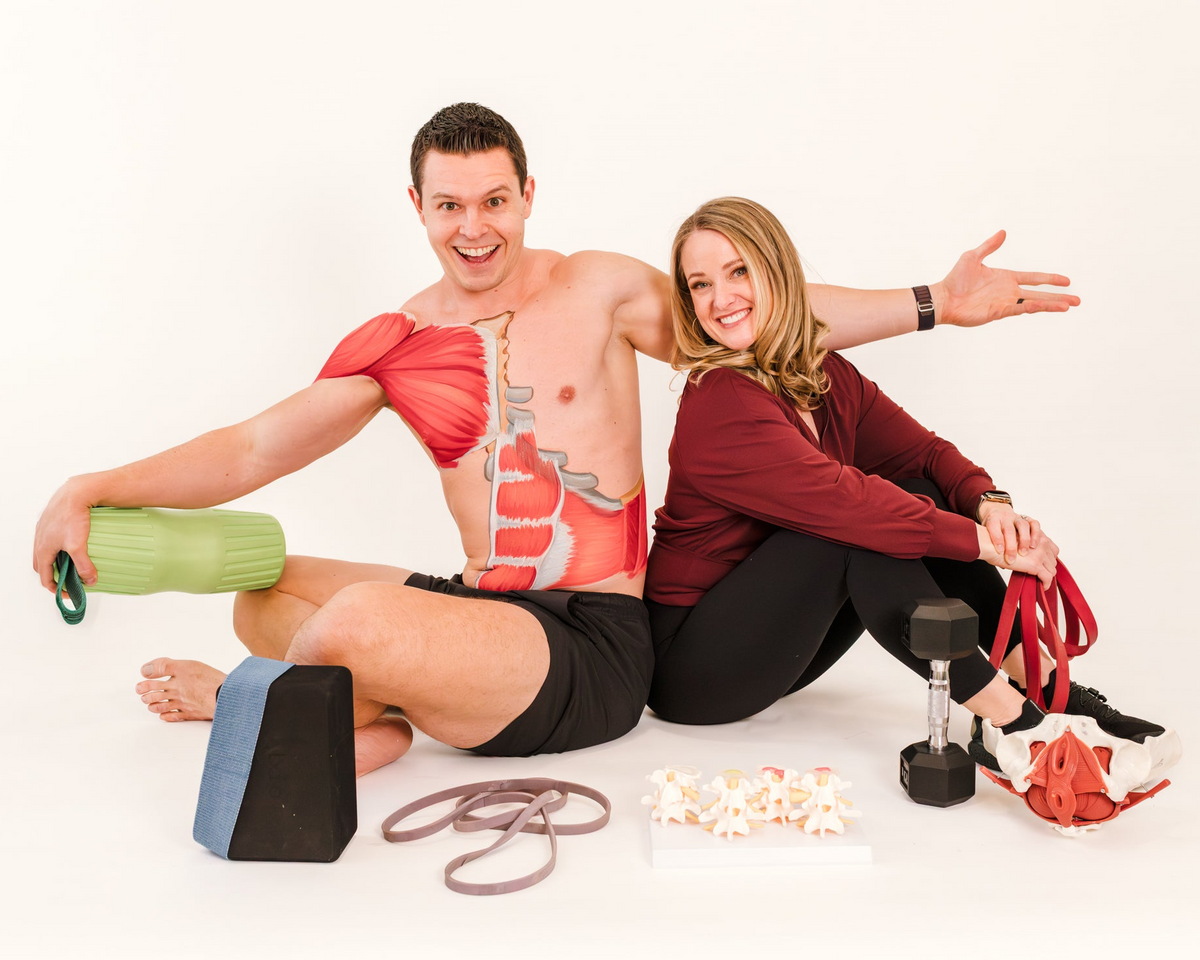
Andrew lives with hEDS and has rebuilt through dozens of injuries, including a 10 mm disc herniation and severe sciatica. His experience shaped the program's focus on control, strength, and how the whole body works together.
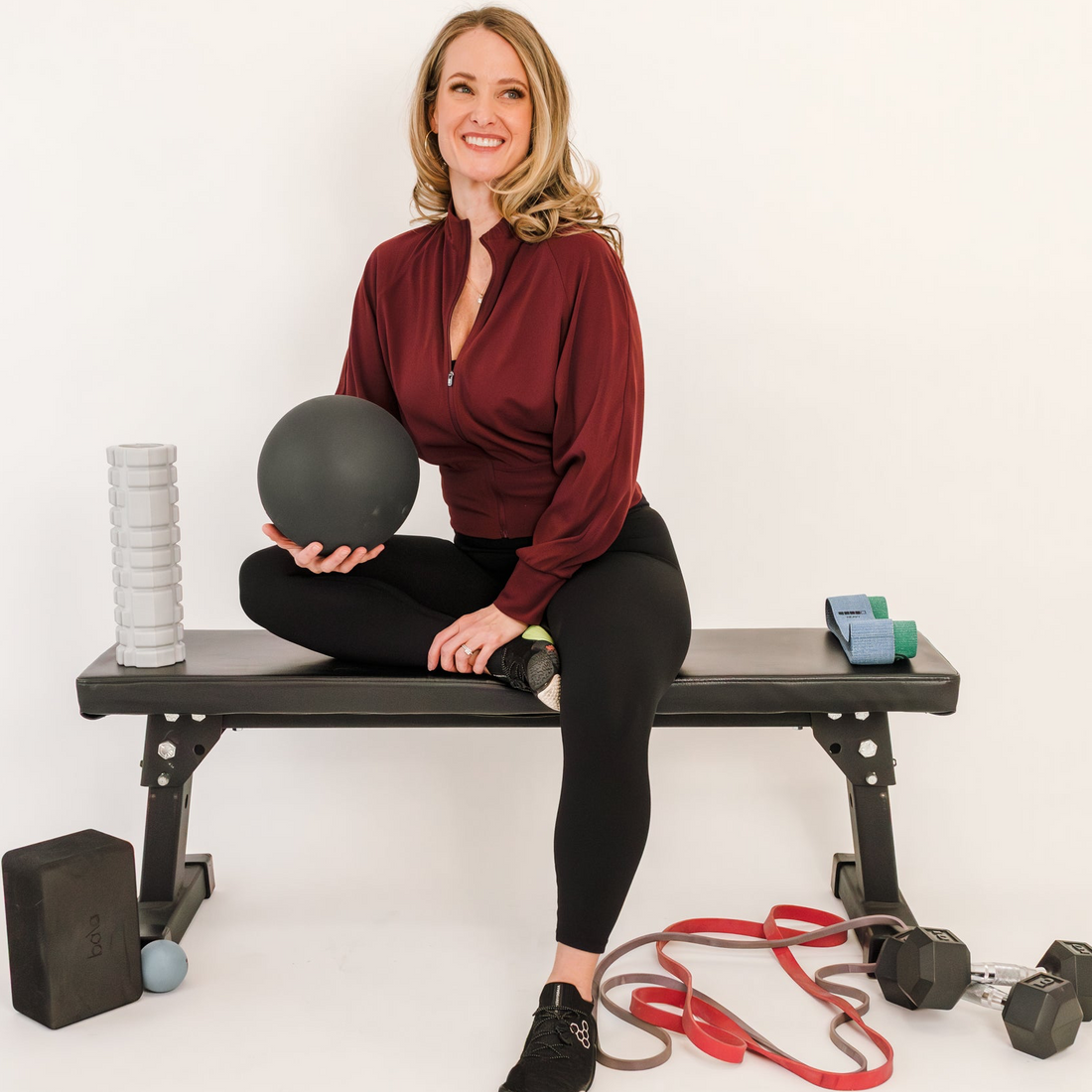
Katie was diagnosed with hEDS after pelvic organ prolapse surgery and has navigated disc bulges, shoulder instability, and a hip labral tear. Her nursing background and movement education help make hypermobility easier to understand and work with.
Start with the 10-module program. Use the related-condition, anatomy, recovery, nutrition, and pelvic health resources when they help.
A progressive path from isometrics and control into range, load, and strength.
A progressive path from isometrics and control into range, load, and strength.
Seven workouts per module, with a simple way to shorten sessions when needed.
Seven workouts per module, with a simple way to shorten sessions when needed.
Clear demonstrations and teaching built for hypermobile bodies.
Clear demonstrations and teaching built for hypermobile bodies.
Movement, anatomy, related conditions, recovery, nutrition, pelvic health, and more.
Movement, anatomy, related conditions, recovery, nutrition, pelvic health, and more.
Questions, movement feedback, and modifications from the Whealth team.
Questions, movement feedback, and modifications from the Whealth team.
Train wherever you prefer, revisit any module, and receive future program updates.
Train wherever you prefer, revisit any module, and receive future program updates.
Education about hypermobility, dysautonomia, MCAS, chronic fatigue, and more.
Education about hypermobility, dysautonomia, MCAS, chronic fatigue, and more.
Additional anatomy, pelvic health, nutrition, massage, and recovery education.
Additional anatomy, pelvic health, nutrition, massage, and recovery education.
Ask questions or share a movement video in the private Hypermobility community.
You never have to post. You can also follow the program quietly on your own.
REAL MEMBERS, REAL PATHS
Real experiences from people rebuilding confidence around hypermobility, pain, disc injuries, and movement.
A member explains how her expectations and relationship with movement changed.
A hypermobile founder's story of rebuilding after a severe disc injury.
A reminder that hypermobile people can also navigate significant disc and sciatic symptoms.
READY WHEN YOU ARE
Lifetime access, hypermobility-specific coaching, and a clear path forward.

Build control, stability, and strength at your own pace.
Hypermobility and related-condition resources
Hypermobility-specific questions and movement feedback
Hypermobility
Looking for more structured strength training too? Explore the Hypermobility & Strength Bundle.
Pay with Affirm or HSA/FSA
Learn how
Affirm, Shop Pay, and PayPal
Split your purchase into monthly payments at checkout. Exact terms are shown before you confirm.
Need a custom payment plan?
Contact us and we will do our best to help.
Try Hypermobility for 30 days. If you decide it is not the right fit, request a full refund within 30 days of your original purchase. Refunds are issued to the original payment method.
To request a refund, email info@spreadwhealth.com.
This program is educational and is not a substitute for medical advice, diagnosis, or treatment. Results vary. Consult a qualified healthcare professional before starting a new exercise or wellness program.
COMPARE THE INVESTMENT
See how lifetime program access compares with services that are commonly paid for one appointment at a time.
One-time purchase
One purchase gives you lifetime access to 10 progressive modules and 70 workouts, plus hypermobility-specific education, coaching feedback, a supportive community, and future updates. Move at your own pace, repeat what helps, and return whenever you need it.
$160 to $2,400+
Estimated total for 4 to 12 visits
$40 to $200+ per visit
Care is tied to scheduled visits. Insurance limits, appointment availability, and short visit windows can interrupt momentum, and access usually ends when the approved or purchased sessions end.
$240 to $1,800+
Estimated total for 4 to 12 visits
$60 to $150+ per appointment
Relief may be short-lived, which can lead to repeat appointments and recurring costs. These visits may not include a progressive plan you can use between appointments.
$160 to $3,600+
Estimated total for 4 to 12 sessions
$40 to $300+ per session
Individual attention comes at a high ongoing cost. Progress and availability depend on the provider, and support usually ends when you stop booking sessions.
Estimated totals assume 4 to 12 visits or sessions. Actual costs vary by provider, location, insurance, and service. These options can complement one another. Hypermobility gives you a structured movement path, lifetime access, and support you can return to whenever you need it.
QUESTIONS, ANSWERED
Clear answers about the pacing, coaching, progress, and hypermobility-specific support included.
Plan for 15 to 30 minutes. Complete one warm-up round and two strength rounds. When time or energy is limited, choose one movement and practice it. You do not need a perfect workout for it to count.
Start with the short introduction, read the Module 1 guidance, watch and practice the hypermobility-specific movement videos, then complete Workouts 1 through 7, one per day. You can repeat Module 1 for a second week or continue forward.
Isometrics let you create muscular effort without immediately asking a joint to move through a large range. They can be an approachable way to build awareness, control, and confidence before the program progresses into fuller motion and increased resistance.
Not always. Pay attention to how you feel during the movement and after it ends. If your symptoms remain more aggravated after a movement, reduce the range, speed, resistance, or repetitions, or choose a different version. The community can help you decide what to adjust.
Many members report encouraging changes in awareness, confidence, function, or pain within the first 2 to 8 weeks. Progress varies, and consistency matters. Early improvement does not mean the entire process is finished.
Hypermobility has 10 modules that progress from isometrics and control into range, load, and strength. Most members spend 1 to 2 weeks in each module and move through the main path in roughly 2 to 5 months. You receive lifetime access, so you can revisit any module whenever you need it.
Coaching takes place asynchronously inside the private Hypermobility Facebook community. Post a question or movement video and the Whealth team can help adjust range, speed, repetitions, position, or resistance. When needed, you may receive an alternative movement or progression. Questions and videos are reviewed throughout the workweek.
No. You can post often, ask an occasional question, comment on other members' posts, or quietly learn by observing. Some members never post and still make excellent progress by consistently following the program.
You receive access to a separate educational resource with around 30 sections covering joint hypermobility and commonly discussed related conditions, including dysautonomia and mast cell activation syndrome. It is educational and does not replace diagnosis or treatment from a qualified clinician.
Try the program for 30 days. If you decide it is not the right fit, email info@spreadwhealth.com within 30 days of your original purchase to request a refund to the original payment method.
Speak with a qualified healthcare professional before beginning the program. Seek urgent medical evaluation for new or worsening loss of bladder, bowel, or sexual function, numbness in the saddle area, progressive limb weakness, foot drop, frequent unexplained dislocations, or other severe or rapidly changing symptoms.